Water Damage Cleanup, Structural Drying & Reconstruction

Water Damage Restoration in Riverside, CA

Water damage Restoration. Water can travel beneath flooring, behind cabinets, through drywall, into insulation, and into nearby rooms. Upbuild Construction & Restoration helps identify affected areas, perform targeted mitigation and structural drying, document the restoration process, and complete the repairs afterward.

One Team From Water Damage Restoration to Rebuild.

Why Choose Upbuild for Water Damage Restoration

Water damage mitigation, structural drying, detailed documentation, and reconstruction from one local team.


Mitigation + Reconstruction

We can assist with water damage restoration and the repairs that follow.

Detailed Documentation

Project photos, moisture readings, drying records, scopes, estimates, and invoices when applicable.

Local SoCal Service

Based right here in Riverside. We arrive quickly, equipped to protect your home or business 24 hours a day.

Licensed Contractor

Fully certified and insured restoration experts. We adhere to the strictest IICRC standards for safe, expert recovery.

The Danger Beneath

Water Damage Doesn't Always Stay Where It Started

Our water damage restoration process includes inspecting affected areas, taking moisture readings, documenting conditions, and developing a drying and repair plan based on what we find.

REQUEST A WATER DAMAGE INSPECTION

We inspect the affected areas, take moisture readings, document the conditions, and develop a restoration plan based on what we find.

water damage restoration
OUR RESTORATION PROCESS

Our Water Damage Restoration Process

Every water loss is different. Our process focuses on identifying affected materials, controlling moisture, documenting drying progress, and preparing the property for repairs.

01

Identify The Source

Identify where the water originated and stop the source whenever possible.

02

Inspect for Moisture

Evaluate affected and surrounding areas to determine where moisture may have traveled.

03

Protect the Area

Use appropriate containment and floor protection when needed to protect unaffected areas.

04

Targeted Mitigation

Remove affected materials when necessary to access trapped moisture or when they cannot be properly restored.

05

Structural Drying

Install professional drying equipment based on the materials affected and conditions at the property.

06

Monitor Progress

Take moisture readings during the drying process to document progress and evaluate affected materials.

07

Prepare for Repairs

Once drying is complete, clean and prepare the affected areas for reconstruction, for complete water damage restoration

08

Rebuild the Damage

When repairs are needed, Upbuild can continue from mitigation into reconstruction.

REAL WATER DAMAGE RESTORATION WORK

Recent Water Damage Restoration Projects

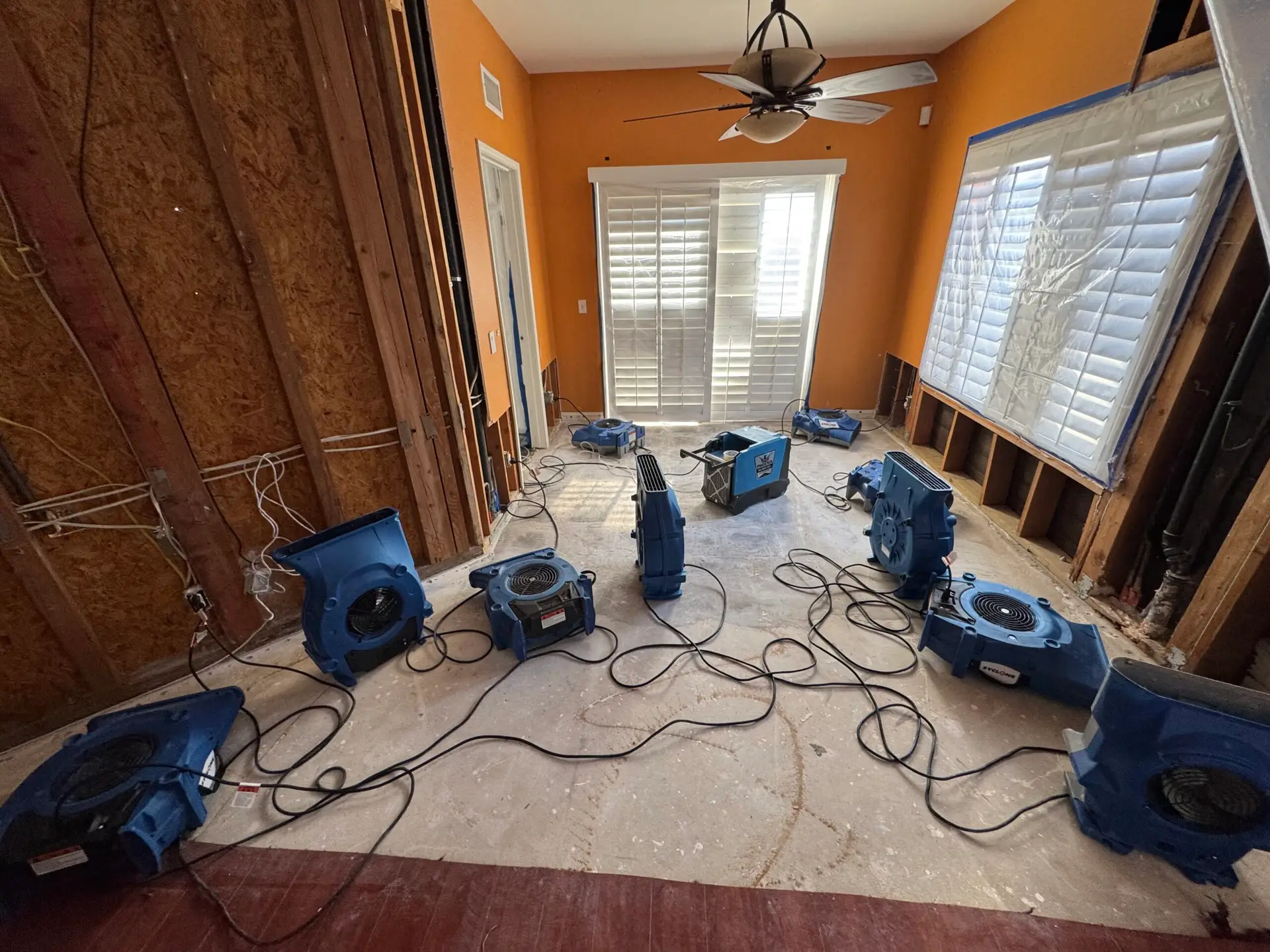
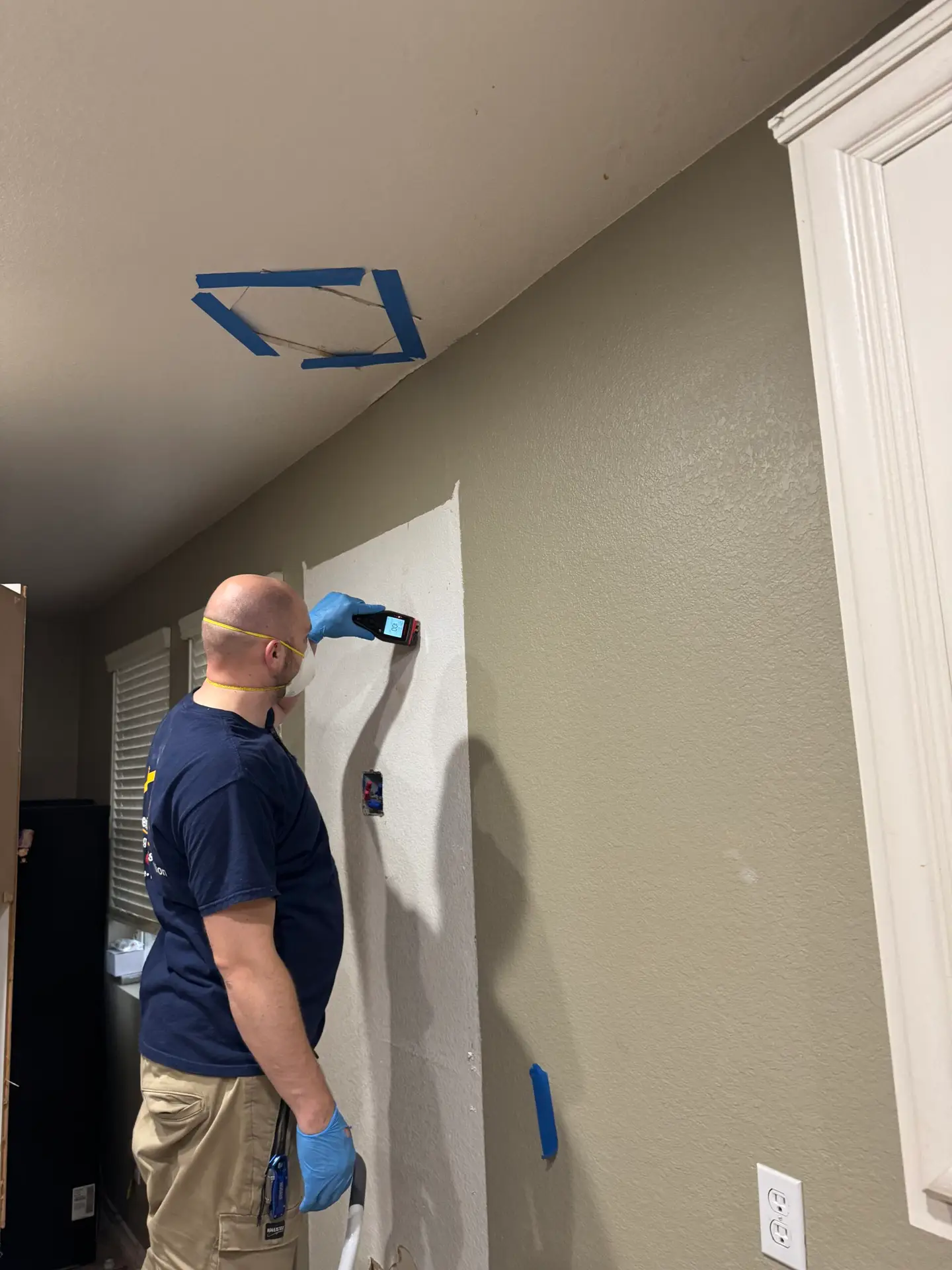
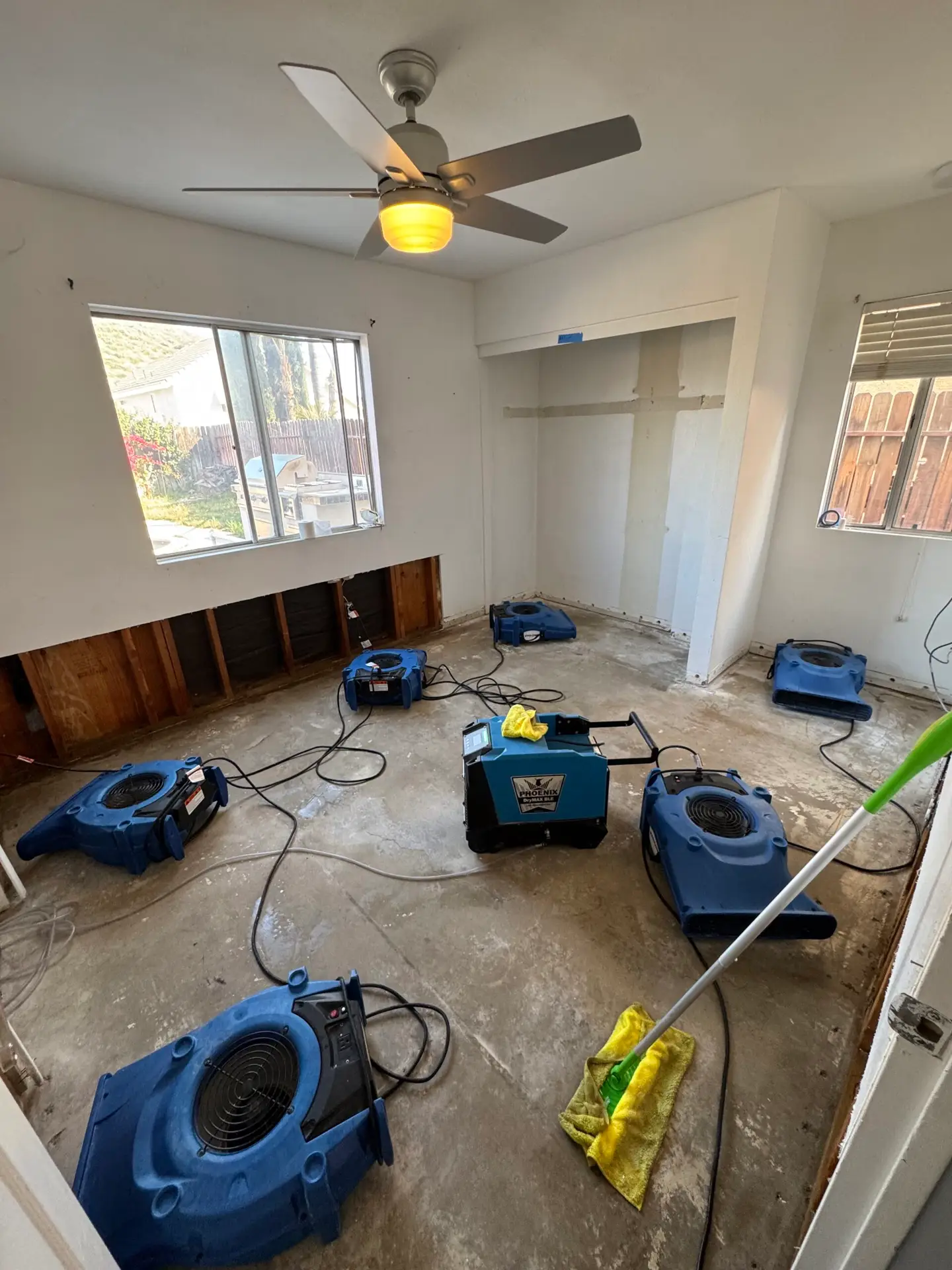
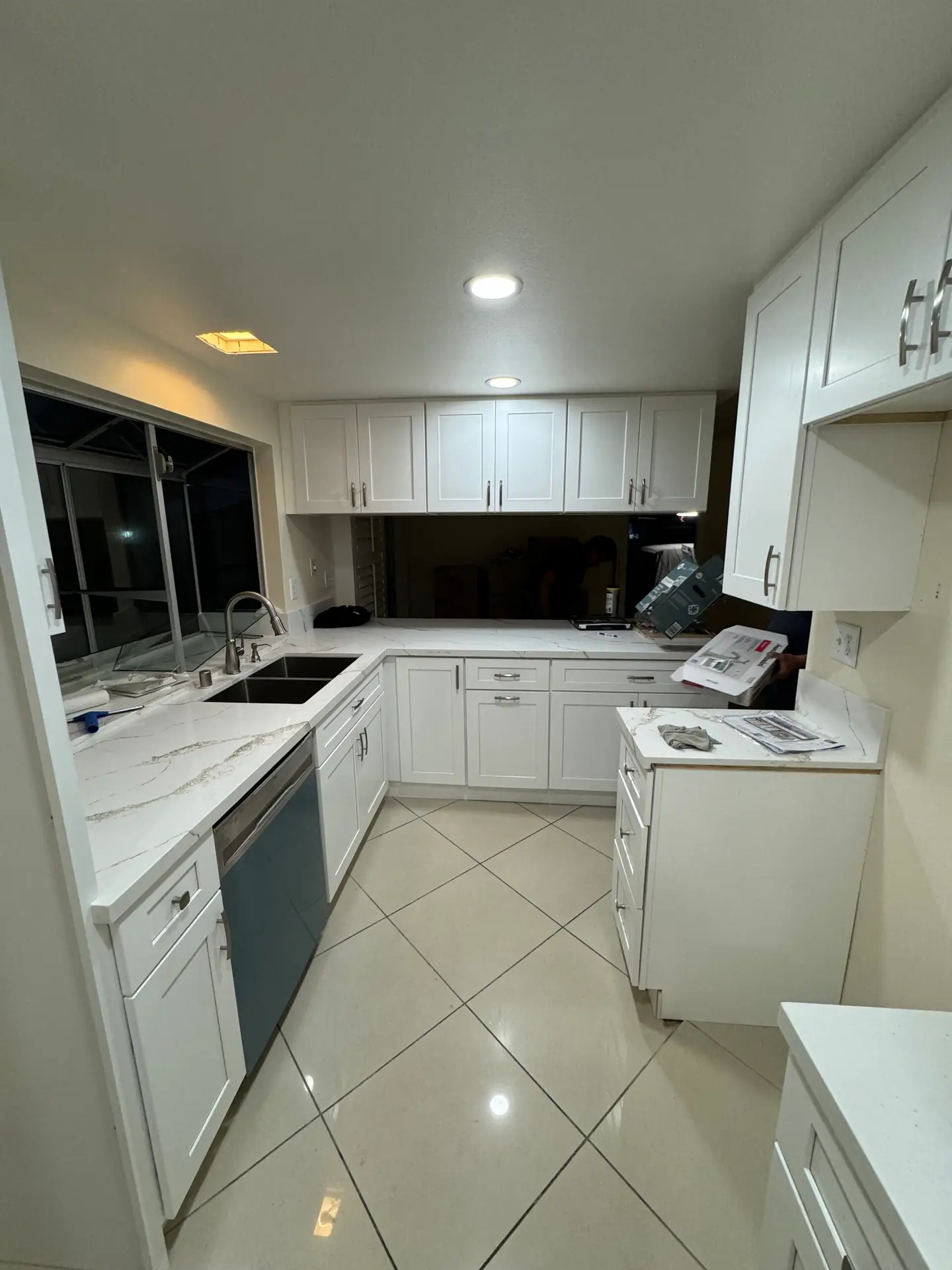
Every water loss is different. These examples show how moisture can travel beyond the original source and how the restoration process moves from mitigation through structural drying and repairs.

water damage restoration check

1. Before: Water Damage Assessment

Water damage can affect materials beyond the immediately visible area. The first step is identifying the source, inspecting surrounding materials, and determining where moisture has traveled.

water damage restoration mitigation

2. During: Structural Drying

After affected materials are addressed, professional drying equipment may be installed and moisture conditions monitored throughout the drying process.

water damage restoration renovated kitchen

3. After: Reconstruction

Once mitigation and drying are complete, the affected area can move into repairs such as drywall, texture, painting, flooring, cabinetry, trim, and other interior reconstruction.

Water Damage at Your Property?

REQUEST A WATER DAMAGE INSPECTION

COMMON WATER DAMAGE SOURCES

Common Causes of Water Damage in Homes

Understanding the source is an important first step in the water damage restoration process.


Broken or Leaking Pipes

Plumbing failures can release water inside walls, ceilings, cabinets, flooring, and surrounding rooms before the problem is discovered.

Dishwasher & Appliance Leaks

Dishwashers, refrigerators, washing machines, and other appliances can allow water to spread underneath flooring and cabinetry.

Showers & Bathtubs

Leaks from plumbing connections, drains, shower assemblies, or surrounding finishes can affect nearby walls, flooring, and adjoining areas.

Water Heater Leaks

A leaking or failed water heater can release water into garages, closets, utility areas, flooring, and nearby rooms.

Toilet & Sink Overflows

Overflowing plumbing fixtures can quickly affect flooring, baseboards, cabinets, drywall, and surrounding areas.

Roof & Hidden Leaks

Water entering from above or from concealed plumbing can affect ceilings, insulation, framing, wall cavities, and interior finishes.
WATER DAMAGE WARNING SIGNS

Signs of Hidden Water Damage


Early identification can help determine whether water damage restoration and structural drying may be needed.

Musty, Damp Odors

A persistent musty or damp odor may indicate moisture in concealed areas such as wall cavities, cabinets, flooring, or other building materials.

Peeling Paint & Wallpaper

Moisture behind finished surfaces can sometimes cause paint to bubble, peel, crack, or separate from the wall.

Unexpected Water Usage

An unexplained increase in water usage may be worth investigating, especially when no obvious change in household water use has occurred.

Warped & Soft Areas

Changes such as warped flooring, soft drywall, swollen baseboards, or sagging materials may indicate that moisture has affected the area.

Unexplained Staining

Discoloration or water stains on walls and ceilings can be a visible sign that moisture has entered from above, behind, or within the building assembly. Could be Mold.

Sounds of Running Water

Dripping or running-water sounds when fixtures are not being used may indicate a plumbing issue that should be investigated.

Not Sure Where the Moisture Traveled?

REQUEST FREE LEAK DETECTION

WATER DAMAGE BY MATERIAL

How Water Affects Different Building Materials

Different building materials react to water in different ways. The proper restoration approach depends on the material, extent of moisture, source of the water, and whether the affected area can be accessed and dried.

Drywall & Plaster

Drywall can absorb moisture beyond the visibly wet area. Depending on the conditions, some sections may be dried while others may require selective removal to access trapped moisture.

Flooring & Subfloors

Water may travel underneath finished flooring and affect underlayment, adhesive, padding, or subflooring. Each layer should be evaluated separately when determining the restoration approach.

Cabinets & Vanities

Water can affect cabinet toe kicks, side panels, boxes, and materials hidden beneath countertops. Swelling, separation, or trapped moisture can help determine whether drying, repair, detachment, or replacement is appropriate.

Insulation Materials

Wet insulation can retain moisture inside wall and ceiling cavities. Its type, condition, and level of exposure should be evaluated when determining whether it can remain or should be removed.

Wood Framing

Wood framing does not automatically require replacement because it became wet. When the material remains structurally sound and conditions allow proper drying, it may be able to remain in place.

Address the Moisture Early

Identifying affected materials and beginning the appropriate mitigation and drying process can help limit additional damage and prepare the property for repairs.

Get Inspected Now

INSURANCE DOCUMENTATION

Detailed Water Damage Documentation

Water damage claims often require clear documentation showing what was affected, what work was performed, and how the drying process progressed. Upbuild Construction & Restoration can provide project documentation related to the restoration services we perform.

1. Project Photos

We document affected areas and restoration work with photographs throughout the project when applicable.

2. Moisture & Drying Records

Moisture readings, drying conditions, equipment information, and drying progress may be documented during the mitigation process.

3. Estimates & Invoices

We can provide restoration estimates, scopes, invoices, and other job-related documentation associated with the work performed.

We can provide documentation regarding the restoration work performed and communicate the project scope when appropriate. Insurance coverage and payment decisions are determined by the carrier and the terms of the individual policy.

REQUEST AN INSPECTION

WHAT TO DO NEXT

What Should You Do After Discovering Water Damage?

A few careful steps can help protect the property and make it easier to understand the extent of the damage.

01

Stop the Water

If you can safely identify and stop the source of the water, do so. Shut off the affected fixture or water supply when appropriate.

02

Watch for Electric Hazards

Avoid standing water near electrical outlets, wiring, appliances, or equipment. Do not enter an area if you believe there may be an electrical hazard.

03

Document Damage

When it is safe, take photos or video of visible water damage and affected belongings before moving or removing items.

04

Have the Area Inspected

Visible water may not show the full extent of the loss. An inspection can help determine whether moisture has traveled into surrounding materials.

Not Sure How Far the Water Traveled?

Upbuild Restoration's professional crew is certified and standing by for urgent response in Riverside, California.

REQUEST A WATER DAMAGE INSPECTION

WHY UPBUILD

Why Choose Upbuild Construction & Restoration?

Water damage restoration involves more than removing wet materials. Our approach combines mitigation, drying, documentation, and construction experience to help move the property from damage toward completed repairs.

Mitigation & Reconstruction

We can assist with the water damage restoration process and continue into the repairs that follow when reconstruction is needed.

Targeted Restoration

Our goal is to identify the materials that are actually affected and avoid unnecessary removal of unaffected areas whenever conditions allow.

Detailed Documentation

Project photos, moisture readings, drying records, scopes, estimates, and invoices may be documented throughout the restoration process.

Structural Drying

Drying equipment and moisture monitoring are based on the materials affected and the conditions found at the property.

Construction Experience

Because Upbuild also performs construction, we understand what comes after mitigation — from drywall and paint to flooring, cabinetry, trim, and other repairs.

COMMON QUESTIONS

Water Damage Restoration FAQ

Answers to common questions about water damage mitigation, structural drying, reconstruction, and insurance documentation in Riverside, California.

How quickly should water damage be addressed?

Water damage should be evaluated as soon as reasonably possible. Moisture can travel into flooring, drywall, cabinets, insulation, and other concealed areas even when the visible surface appears dry.

Coverage depends on the cause of the loss, the terms of your policy, exclusions, and the insurance carrier’s determination. Upbuild Construction & Restoration can provide documentation related to the restoration work performed, but coverage decisions are made by the insurance carrier.

Structural drying uses professional drying equipment and moisture monitoring to reduce moisture in affected building materials. Drying time varies depending on the materials involved, amount of moisture, environmental conditions, access to affected areas, and drying progress.

It depends on the location and extent of the damage, the work being performed, and any safety concerns at the property. Some projects allow unaffected areas of the home to remain usable, while others may require temporary restrictions.

Not always. The appropriate approach depends on the type of water loss, extent of moisture, insulation, condition of the material, and whether the wall assembly can be properly dried.

Yes. Moisture can travel underneath flooring, behind cabinets, into toe kicks, underlayment, and other concealed areas that may not be visible from the surface.

Yes. When repairs are needed, Upbuild Construction & Restoration can continue from mitigation and structural drying into reconstruction, including drywall, painting, flooring, cabinetry, trim, and other interior repairs.

LOCAL WATER DAMAGE RESTORATION

Water Damage Restoration in Riverside & the Inland Empire

Upbuild Construction & Restoration provides water damage mitigation, structural drying, and reconstruction services for homeowners in Riverside and surrounding Inland Empire communities.

Riverside
Corona
Eastvale
Moreno Valley
Fontana
San Bernardino
Ontario
Anaheim

Request a Water Damage Inspection

Our certified restoration specialists are on standby in Riverside, California. We provide rapid structural drying, water removal, and complete property restoration to prevent long-term mold growth.

Book Your Inspection Now

READY TO MOVE FORWARD?

Don't Stop at the Dry-Out

Water damage restoration is only part of getting your property back together. Upbuild Construction & Restoration can help take the project from inspection and mitigation through structural drying and reconstruction.

Water Damage Mitigation • Structural Drying • Documentation • Reconstruction

Serving Riverside and surrounding Inland Empire communities.